Peach Harvest
by Shannon Brennen Ramdhan
“Don’t say “hobby farm,”” Marla said. “It sounds diminutive.”
“Don’t say “diminutive,”” Joshua said. “It sounds bitchy.”
Every interaction these days seemed to end in a stalemate. They moved through the chaos of their new life – the life they once thought was so thoughtfully curated – with fists of stubbornness pummelling one another so relentlessly that even the air around them felt bruised. Nothing they said to each other was right these days. Even being in the same room at the same time was enough to make Joshua stiffen and Marla wince.
The issue, of course, was not linguistic. This wasn’t about word choice. The issue was the farm.
Hobby farm. Dead serious farm. Whatever you called it, it wasn’t the idyllic, hushed, and earthy experience they had imagined eighteen months earlier when they had packed up their compact city life and plunked themselves onto the broad, rural shoulders of middle America. COVID had planted the seed of the idea. Joshua’s layoff germinated it. And now here they were, living the life they had daydreamed about over sticky Chinese delivery at their too-small kitchen table in Chicago.
Marla had thought there would be a front porch. A rocking chair. Moments of respite between this chore or that.
Joshua had thought there would be a staggering moment when he would really feel the pulse of the land, living and breathing around him like a heady, organic frame.
They were both disappointed.
Only the first month had been as blissful as they anticipated. The air had still been crisp with winter, but the world had enough of a toehold in spring that birds woke them in the mornings, chirping and fluttering in the bushes outside their bedroom window.
That first month Marla and Joshua were still dreamers. They laid plans, plotted gardens, chose between breeds of laying hens -- should they get traditional white or a gaggle of showy, peacocky birds? They held hands as they paced out a perimeter for the garden they were planning, stomping their boots to shatter the frost that crisped the thick blades of field grass underfoot, taking one more step forward because why not plant one more row of sweet peas?
“Isn’t it beautiful?” One of them would ask. They would take turns asking this, over and over, and the other would always agree.
“Yes, it’s so beautiful. So, so beautiful.”
That month and all of its sweetness had passed in a blur of smiles, glib assuredness, and late mornings spent thumbing through musky, mold-freckled issues of Better Homes and Gardens that they had found stacked in a corner of the basement. They emerged on the other side of that giddy yawn of a month with problems like: a constantly flooded corner of the main garden, a chicken hawk plucking Joshua’s favorite chickens from the yard, and small things -- clothes that dried stiff on the line and scratched soft patches of skin when they wore them, little black ants that snaked across their counter tops in wriggling lines, green shoots ravaged by deer-rabbits-birds, a tick embedded in the flesh of Marla’s scalp, ripped screens that forced them to choose between the relief of night time breezes and the inevitable mosquitos that would pester them in their sleep, leaving them welted and cranky in the mornings.
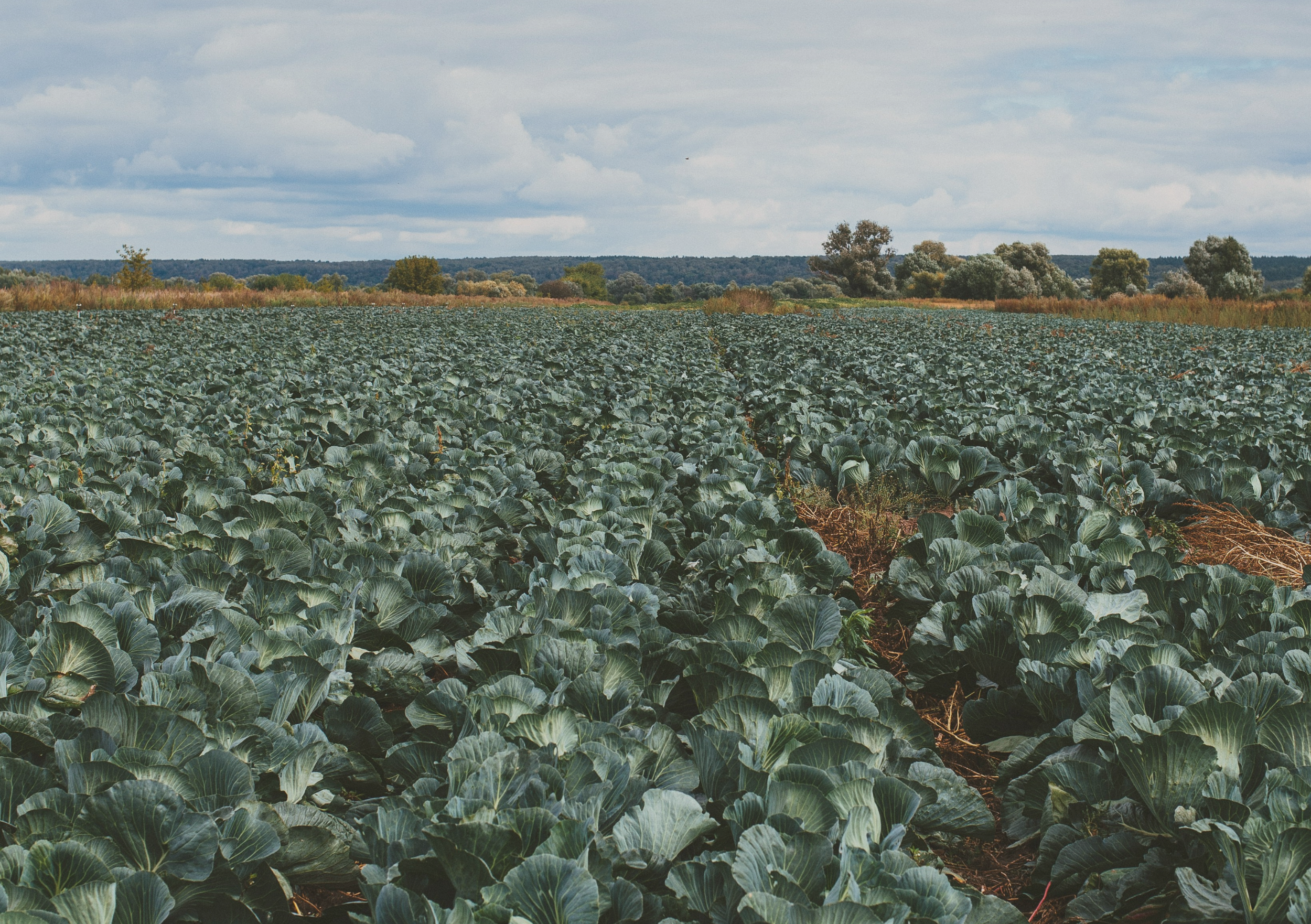
And oh … they had done so many things wrong. There was the outbreak of cabbage worms, chubby green grubs that Joshua didn’t exterminate until they had ravaged the cabbage, kale, and broccoli. And the chickens, who were permitted to roam the farm, until they had systematically destroyed all of the tomato, cucumber, and squash plantings and had to be re-cooped.
And then there were the pigs -- their biggest mistake so far.
Joshua and Marla had opted not to castrate the snorting, snuffling trio. It had seemed unnecessary -- cruel even.
“Maybe we can even call it ‘bacon with balls,’” Marla had joked at the time, petitioning Joshua on behalf of the swine, who rushed the fence every day when Marla approached with scraps and huffed with pleasure as she scratched their spindly-haired backs.
Months later, burying the urine-smelling meat deep in the compost pile, she had wept at the waste and the shame of it. Boar taint. It was just another item on a seemingly infinite list of things that other people knew and that Joshua and Marla didn’t. If you do not castrate the pigs, their meat will taste like urine. Boar taint.
The neighbors were all polite but distant. Not even distrustful, just curious in a coy, lingering-at-a-distance way. Their closest neighbor, Connie, walked by their house with her arthritic German Shepherd every evening and stopped sometimes at the porch steps to talk. She kept chickens, grew boisterous petunias, worked at the bank in town, and didn’t seem to take it personally when Joshua and Marla ignored large swaths of her advice.
Whenever she stopped at the bottom of their porch steps, Marla would offer her water, lemonade, iced tea. Connie might have lingered longer, might have become something of a friend, if Marla had offered Miller Lite instead.
“You might want to see about those cabbage worms,” another neighbor, Merle, had said, leaning out the side of his pickup truck, which he had pulled up alongside Joshua and Marla where they worked, picking green beans from the garden row closest to the road. He had a too-tight face, skin leaned by the sun, but a quick half-smile that he doled out often enough. “They’re thick this year and will take out a whole row of your brassicas overnight.” Joshua had stepped to the truck, hands on his hips while he made small talk, and forgot all about the cabbage worms by the time Merle drove away. The broccoli was decimated. The cabbage and kale turned to verdant lace and only a few plants were salvageable at all. Barely enough to round out a few dinners; not nearly enough to sell at the produce stand.
A few weeks later, Connie put in a good word for Marla at the grocery store. She started the next day as a cashier, smiling and asking, “Paper or plastic” too many times a day. It was a job that Marla might have dreamed about in a previous life. From that life, from her office space and its half-wall of felt-sided cubicle, she had felt herself trapped. Here, her mind had enough space to wander freely. But the truth of it was, that without anything around to pull the launch of her pinball brain, Marla mostly just sloppily bagged groceries and thought about the peaches.
The peaches. They felt like fuzzy little nubs of hope.
Last year, Marla and Joshua had managed to get a small batch of peach jam to the farmer’s market in town. It had been the only thing their tiny farm had produced enough of to sell, and it had sold like a miracle. Just enough cash flow to justify keeping the farm floating for a half a minute longer. They had handed out samples on tiny wooden spoons, and folks who tasted always bought. When Joshua and Marla had sold out, their eyes had gone wild with the minor victory of it, like a pair of gamblers getting one good hand in the midst of a bad run.
They hadn’t thought too much about the peach grove when they found the farm. The cluster of peach trees had been unkempt, overgrown, and small. Marla had thought it would get them a cobbler or two for themselves, some hand fruit in a basket on the kitchen table, but instead, it ended up being the thing that mattered most. And so, as she rang up dozens of eggs, gallons of milk, and cans of vegetables, firing off the bips and boops with the cash register, Marla thought about nothing but peaches.
Stone fruit season hadn’t come yet, but already the tree branches were swollen with tiny peach pebbles, firm and green and filled with all the hope Marla could manage to muster.
Marla and Joshua avoided talking about the peach trees for weeks before harvest time. There was something about the trees and their commingled hope that made them both suddenly superstitious. They would walk their property at sunrise, a growing space wedged between them, and would avoid eye contact with each other and with the peach trees.
One Wednesday morning, they woke, and instead of immediately tugging their bodies apart and drifting in separate directions, they crashed together, arms and legs twisted up like roots, a kind of tangled embrace that only lasted for a moment. Marla wondered if maybe they would kiss, wondered if they remembered how, but as soon as she wondered, the embrace was over, and they were both left knowing that today would be the day they started picking peaches.
They walked to the orchard together, hip to hip, shoulder to shoulder, skin brushing skin in the way it hadn’t in so long. They marched like an army of two. Joshua carried a ladder, Marla a large wicker basket.
It was Marla who reached to pick the first peach, but instead of feeling fruit plump and heavy with juice, the peach in her hand was chalk white and crumbly. It sagged on the branch like a frown and left a puff of powder in her hand when she plucked it from the tree.
She showed Joshua, but he shrugged. One bad peach was nothing to worry about. But then there, next to it, was another white, mealy peach. And another. And another.
They moved from tree to tree, trying to hide their frantic pace, force a casual roll into their walks. Tree by tree, they saw: Where yesterday there had been fat, heavy fruit, before them now was an orchard of white, shriveled peaches.
“We should at least taste them before we say they’re bad,” Joshua said. And when Marla didn’t volunteer – her palette still puckered at the memory of the boar-tainted pork – he offered to take the first bite.
Joshua backed slow into the moment. He picked enough fruit to cover the bottom of Marla’s basket. Walked the basket of fruit back to the cluster of buildings over the hill from the orchard. He ran each peach under the spigot by the barn, cleaning the fruit thoroughly, rubbing his thumb over their fuzzed exteriors. He chose one, turning it in his palm, looking for the choicest spot to bite from. And then, not finding any part that looked more delectable than the rest, he closed his eyes and bit in. Not a single drop of juice released from the peach and dribbled down his chin, but Joshua chewed thoughtfully anyway.
“It’s not so bad,” he said even as he cringed. “We could still make it into jam.” He took another bite. And another.
“What does it taste like?” Marla asked.
Joshua sighed. “It’s the saddest tasting thing I’ve ever eaten,” he said. “It tastes strange, but somehow still delicious.” He was finishing his peach, sucking the pit, and two tears seeped out the corners of his eyes and rolled down his cheeks as he reached for another. “It’s horrible and wonderful and painful and beautiful.” He said, blinking the next wave of tears from his eyes. “Try one.”
Marla chose the smallest fruit from the basket and let it settle, firm in her palm, as she considered taking a bite.
“I don’t know if I want to be sad,” Marla said, turning to Joshua like asking for help.
“You already are,” Joshua assured her, nodding and chewing. “You just don’t know why yet.”
So Marla tasted the fruit, and it was just as Joshua said. It was delicious and aching, wonderful and painful and beautiful all at once. It was almost more than Marla could bear. Her heart ached. The space around her heart ached. Places in her ached that had never ached before, waves of sadness crashing against her ribs, her collar bone, her spleen.
In this sadness, they found each other again, startling as they made eye contact for the first time in so long. Oh, it’s you, both sets of their eyes seemed to say to each other. And because they were both feeling exactly the same thing – a deep, animal sadness manifested by the strange fruit – they both understood each other and felt themselves deeply understood in a way that transcended everything they had experienced in the past year and a half on the farm.
Joshua reached for Marla’s hand at the same time that Marla reached for Joshua’s. It was horrible and wonderful and it was going to be ok.
And so, crying, they picked all of the fruit from the orchard. Weeping, they made it into jam, and without ever letting up, they spread it on bread and wept and ate and reached for each other again and again and again until it was all gone.
April 8 , 2026
Shannon Brennen Ramdhan is a Pushcart Prize nominee living in the Lake-Erie-abutting suburbs of Cleveland, Ohio. She earned her BA in Fiction Writing at Columbia College Chicago while working at an imports grocer in Roger’s Park (both contributed equally to her education). She lived in Chicago, Los Angeles, and San Francisco before returning to her home state of Ohio, where she plans to stay because it’s quiet and she likes the birds there. She is a member of Literary Cleveland and the Ohio Writers’ Association. Her writing has appeared in The Great Lakes Review, Lemonwood Quarterly, The South Loop Review, and Story Tapes.
@ShannonBrennenRamdhan (instagram)